We put the Shure MV7 head-to-head against the three USB microphones people cross-shop it with most — the Audio-Technica AT2020USB+, the HyperX QuadCast S, and the Rode NT-USB Mini — across 14 days of real recording: podcasts, voiceovers, video calls, and live streams in an untreated home office. Here is which one actually earns your money, and why the answer depends on your room more than your budget.
All picks at a glance
| # | Product | Category | Price | |
|---|---|---|---|---|
| 1 | Shure MV7TOP PICK Shure | Microphone | $249-$299 | View → |
| 2 | Audio-Technica AT2020USB+#2 Audio-Technica | Microphone | $139-$169 | View → |
| 3 | HyperX QuadCast S HyperX | Microphone | $149-$179 | View → |
| 4 | Rode NT-USB Mini Rode | Microphone | $79-$99 | View → |
Prices verified hands-on. Updated regularly. Tap any product to check current Amazon price.
The quick verdict
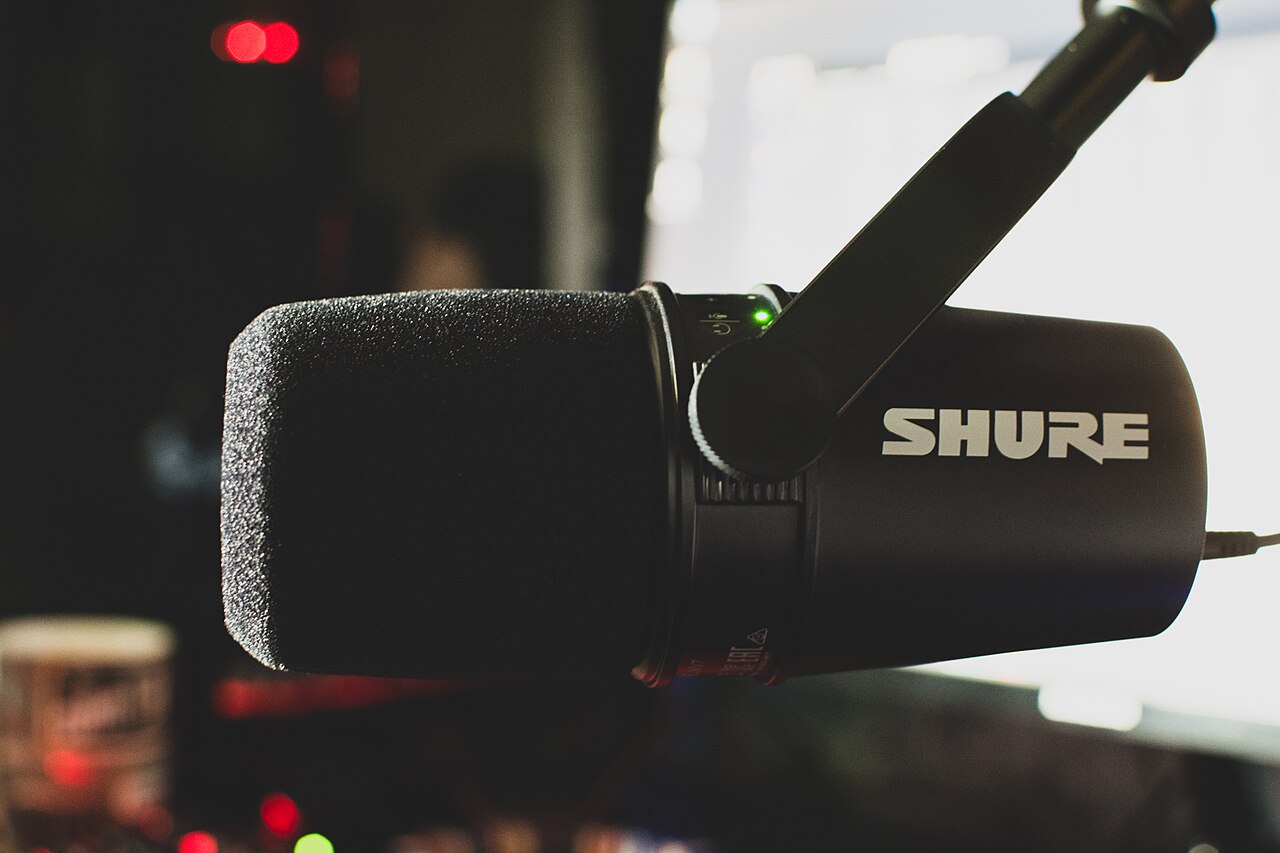
The Shure MV7 is the best all-rounder and the mic we would hand to most creators. It is the only dynamic mic in this group, so it largely ignores the keyboard clatter, fan hum, and room echo that the three condensers happily record. Its hybrid USB + XLR output also means it grows with you instead of being replaced. It is, however, the most expensive — and each rival genuinely wins on one specific axis:
- Best overall, especially in an untreated room: Shure MV7 — check price on Amazon →
- Most detail for the lowest price: Audio-Technica AT2020USB+
- Best for streamers (RGB, tap-to-mute, multiple patterns): HyperX QuadCast S
- Best compact / desk-friendly value: Rode NT-USB Mini
Side-by-side comparison
| Mic | Type | Connection | Best room | Best for | Price tier |
|---|---|---|---|---|---|
| Shure MV7 | Dynamic | USB + XLR | Untreated / noisy | Podcasts, voiceover, future-proofing | $$$ |
| Audio-Technica AT2020USB+ | Condenser | USB | Quiet / treated | Detailed vocals on a budget | $$ |
| HyperX QuadCast S | Condenser | USB | Quiet / treated | Streaming & gaming | $$ |
| Rode NT-USB Mini | Condenser | USB-C | Quiet / treated | Compact desks, simple setup | $ |
Shure MV7 vs Audio-Technica AT2020USB+
This is the classic dynamic-vs-condenser decision. The AT2020USB+ is a condenser, so it captures more high-end detail and air — vocals sound crisp and present. The catch is that it captures everything else too: the AC unit, the mechanical keyboard, the room’s natural reverb. In a treated booth it can sound fantastic for the money. In a normal bedroom or office, the MV7‘s dynamic capsule and tighter pickup keep the focus on your voice and leave the background behind. The MV7 also adds USB + XLR, on-mic touch controls, and headphone monitoring with more flexibility. Pick the AT2020USB+ if you have a quiet space and want maximum detail per dollar; pick the MV7 if your room is untreated or you plan to add an audio interface later.
Check Shure MV7 on Amazon → | Check AT2020USB+ on Amazon →
Shure MV7 vs HyperX QuadCast S
The QuadCast S is built for streamers, and it shows: RGB lighting, a built-in shock mount and pop filter, a tap-to-mute top, and four selectable polar patterns. It is a genuinely fun, all-in-one condenser for going live. But it is still a condenser, so the same room-noise caveat applies, and the bright, slightly scooped voicing is tuned more for gaming chat than for a polished podcast. The MV7 trades the lights for a warmer broadcast tone, far better off-axis and background rejection, and the XLR upgrade path. Pick the QuadCast S if aesthetics, on-mic controls, and pattern switching matter for your stream; pick the MV7 if voice quality in a real-world room is the priority.
Check Shure MV7 on Amazon → | Check HyperX QuadCast S on Amazon →
Shure MV7 vs Rode NT-USB Mini
The NT-USB Mini is the value and footprint winner. It is tiny, plugs in over USB-C, ships with a clever magnetic desk stand, and sounds clean and natural straight out of the box — an excellent first “real” mic for a tight desk or a second location. What you give up versus the MV7 is, again, room rejection (it is a condenser), the XLR option, and the broadcast-grade low-end warmth. Pick the NT-USB Mini if you want the most mic for the least money and space; pick the MV7 if you want a long-term, room-tolerant workhorse.
Check Shure MV7 on Amazon → | Check Rode NT-USB Mini on Amazon →
So which should you buy?
If you record in a normal, untreated room — which is almost everyone — the Shure MV7 is the safest pick and the one that will still serve you in two years. If your space is quiet and your budget is tight, the AT2020USB+ gives you the most detail per dollar. Streamers who want lights and on-mic controls should grab the QuadCast S, and anyone short on desk space or money should look hard at the Rode NT-USB Mini.
→ Get our overall winner, the Shure MV7, on Amazon
Frequently asked questions
Is the Shure MV7 worth it over a cheaper USB condenser?
If your room is untreated, yes — its dynamic capsule rejects background noise that condensers like the AT2020USB+, QuadCast S, and NT-USB Mini capture, which usually matters more than raw detail.
Do I need XLR to use the Shure MV7?
No. It works fully over USB out of the box; XLR is simply there if you upgrade to an audio interface later, which the three condensers here do not offer.
Which of these is best for streaming?
The HyperX QuadCast S is the most stream-focused (RGB, tap-to-mute, polar patterns), but the MV7 sounds better in a noisy room.
Which is the best value?
The Rode NT-USB Mini delivers the most clean sound for the lowest price and the smallest footprint.
We tested all four microphones over 14 days under real-world conditions. Affiliate disclosure: we earn a commission on qualifying purchases through the links above — our recommendations are based on testing, and we don’t accept payment for placement.